Veganism
Going Vegan Without Overwhelm: Your First 30 Days
No perfection, no pressure. A gentle week-by-week path into vegan living, with food you'll love.
Welcome to a More Compassionate World
Imagine a world where our daily choices reflect the love and compassion we wish to see in humanity. Where we nourish our temple bodies with delicious, vibrant foods, celebrate the abundance of Mother Earth, and recognize that the beautiful beings we share this planet with deserve to live their lives in peace.
This is the world we're helping create when we choose veganism.
I've been vegan for over 22 years, and I can tell you that this way of living has enriched my life in ways I could never have imagined. It's deepened my connection to animals, expanded my relationship with food, and become one of the most meaningful expressions of my spiritual philosophy.
For me, eating vegan is also a profound way of connecting with the elements and the very essence of life. The fruits, vegetables, grains, nuts, and seeds that nourish us are born from the earth, nurtured by water, kissed by sunlight, and sustained by the air. There is something incredibly sacred about receiving our nourishment from these elements, knowing that we can thrive on the abundance Mother Earth provides without taking the lives of other sentient beings.
When we choose plant-based foods, we're choosing to nourish ourselves through life rather than death and suffering. We're honoring the interconnectedness of all beings and recognizing that our pleasure, health, and vitality needn't come at the expense of another creature's freedom or existence.
And love, if you think becoming vegan means a lifetime of boring salads and sacrificing everything delicious, we're going to have fun changing that perception!
Vegan food is juicy, creamy, decadent, spicy, comforting, colorful, sensual, and absolutely divine. We're talking luscious pasta sauces, crispy tofu, fragrant curries, chocolate desserts, and enough delicious possibilities to keep your taste buds entertained for lifetimes.
I've created this 30-day guide to help you explore the practical side of becoming vegan, from what to eat and how to shop to understanding your nutritional needs and extending compassion beyond your plate.
What Does It Really Mean to Be Vegan?
Veganism is a philosophy and way of living that seeks to avoid animal exploitation and cruelty as much as possible.
It begins with recognizing that animals are sentient beings with their own experiences, feelings, relationships, preferences, and desire to live.
Every year, humanity breeds, confines, exploits, and slaughters tens of billions of land animals for food. When we include fish and other aquatic animals, the number of lives taken reaches into the TRILLIONS. These are sentient beings whose bodies and lives have been reduced to commodities, raised or captured to satisfy human desires, despite the abundance of alternatives available to us.
And perhaps one of the most humbling things to remember is that humans are relatively new arrivals on this extraordinary planet. Modern humans have existed for approximately 300,000 years, while sharks have been swimming our oceans for over 400 million years. Insects have existed for roughly 400 million years. Crocodilian ancestors stretch back over 200 million years, and sea turtles have been navigating Earth's oceans for more than 100 million years.
For hundreds of millions of years before we arrived, life was flourishing, evolving, and existing within intricate ecosystems. Every creature was part of the great web of life. And yet, somewhere along the way, humanity developed the extraordinary belief that we're the most important beings in existence, that the planet belongs to us, and that every other creature is here for our consumption, entertainment, or convenience.
But who gave us that authority?
The earth existed long before us, and its creatures were never ours to own. We share this magnificent planet with beings whose evolutionary histories extend far beyond our own. To me, recognizing this is an invitation to greater humility, respect, and compassion. We have the capacity to make conscious choices about how we live, and with that comes the responsibility to PROTECT life rather than exploit it.
The earth offers us an extraordinary gift: the ability to nourish ourselves from the abundance of the plant kingdom. We can reach for a ripe peach hanging from a tree, savor its sweetness, and leave the tree standing, alive and capable of bearing fruit for years to come. We can harvest seeds, grow vegetables, cultivate grains, and participate in the beautiful cycles of regeneration that sustain life on this planet.
Of course, agriculture has extreme environmental impacts, and growing plants directly for human consumption requires far fewer resources than raising animals for food. To me, this is one of the most beautiful expressions of sustainability: cultivating a relationship with the earth that gives us nourishment while seeking to preserve life and minimize suffering.
I personally believe that humanity as a collective will never know peace as long as we continue to torture and murder other beings. We cannot expect what we refuse to give.
A vegan lifestyle excludes animal-derived foods such as meat, fish, dairy, eggs, and honey, while embracing the extraordinary abundance of the plant kingdom. It also extends to clothing, cosmetics, entertainment, and other areas where animals are used for human purposes.
And while the term *plant-based* generally describes a way of eating, veganism is rooted in an ethical philosophy that reaches far beyond our dinner plates.
You don't have to learn everything in one day. Give yourself the next 30 days to explore, experiment, and discover how wonderfully fulfilling compassionate living can be. Give your body time to adjust, educate yourself, then watch how it thrives!
Week 1: Fall in Love with Plant-Based Food
Let's begin with one of my favourite subjects: FOOD!
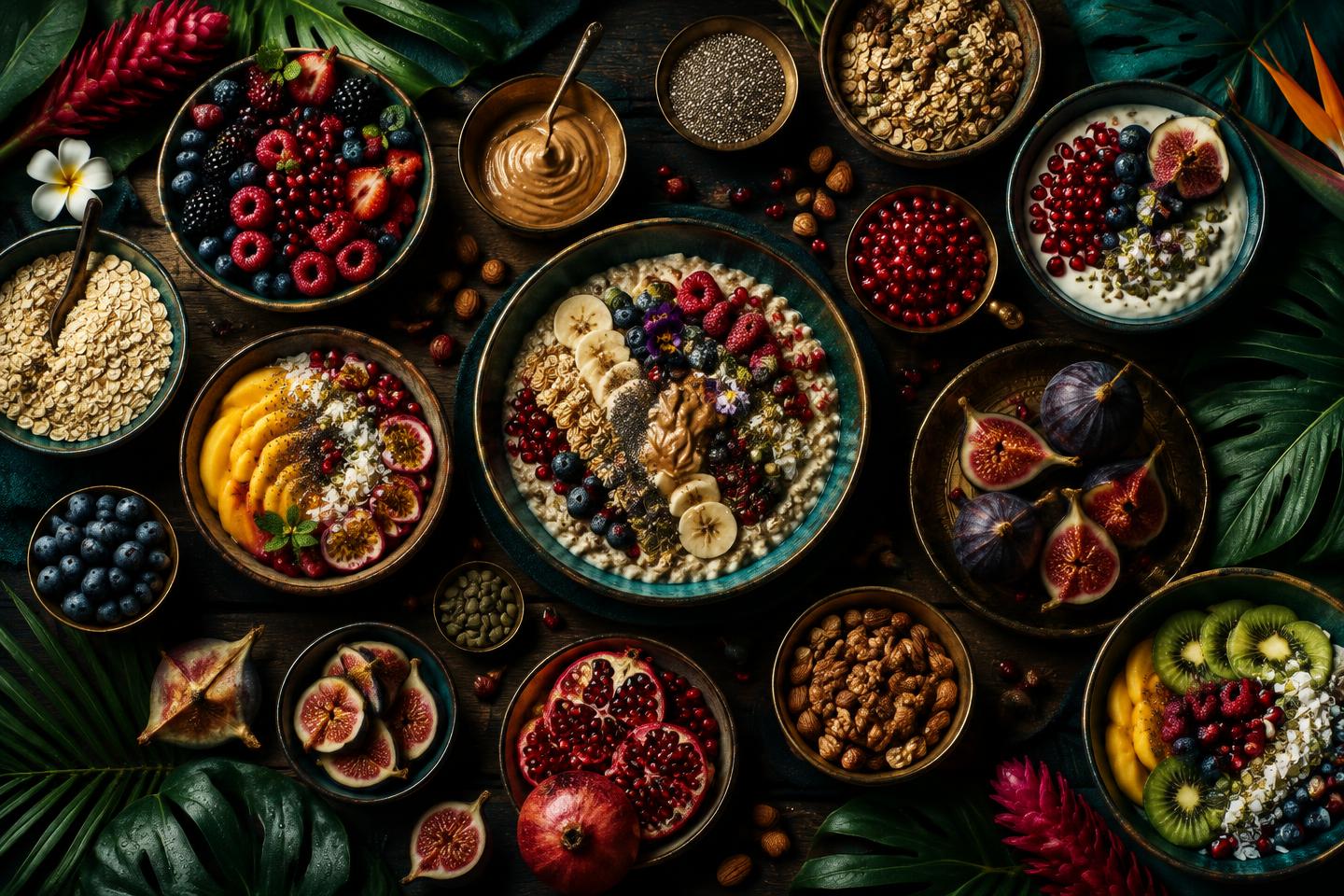
Your first week is dedicated to discovering the pleasures of plant-based eating. I want you to explore new flavors, experiment with ingredients, and experience just how satisfying vegan meals can be.
You probably already enjoy plenty of vegan foods. Pasta with marinara sauce, roasted potatoes, vegetable curries, hummus, rice and beans, peanut noodles, fresh fruit, and countless other dishes are naturally plant-based or require only minor adjustments.
Build a Delicious, Nourishing Plate
A balanced vegan meal can include four simple elements:
- Protein: Tofu, tempeh, lentils, chickpeas, beans, edamame, or seitan.
- Complex carbohydrates: Rice, quinoa, potatoes, oats, and whole grains.
- Colorful vegetables: Leafy greens, broccoli, peppers, carrots, mushrooms, and seasonal produce.
- Healthy fats: Avocado, tahini, nuts, seeds, and olive oil.
These ingredients can become hundreds of different dishes depending on how you season and prepare them.
A bowl of rice, tofu, and vegetables can transform into a Thai-inspired peanut bowl, a fragrant Indian curry, or a Japanese-style teriyaki dish. The possibilities are deliciously endless.
Your First Seven Days
Begin by choosing a few breakfasts, lunches, and dinners you'd genuinely look forward to eating.
For breakfast, try overnight oats with berries and chia seeds, tofu scramble with avocado toast, or a smoothie with banana, nut butter, and fortified soy milk.
For lunch, explore chickpea salad sandwiches, colorful Buddha bowls, hearty lentil soups, and Mediterranean wraps with hummus and roasted vegetables.
For dinner, indulge in creamy vegan pasta, coconut curries, crispy tofu with peanut sauce, bean burritos, or homemade veggie burgers.
Your goal this week: Discover five to seven vegan meals you love and save the recipes. These will become your foundation as you explore more of the plant-based world.
For inspiration, explore Krystal's Kitchen: Plant-Based Recipes and My Vegan Favorites.
Week 2: Give Your Kitchen a Vegan Makeover
Now that you've discovered some favorite meals, it's time to make your kitchen a little more compassionate.
And no, you don't need to throw away everything in your pantry and spend hundreds of dollars at the grocery store!
Start with the ingredients you use most often and discover their plant-based alternatives.
Simple Vegan Swaps
| Instead of | Try |
|---|---|
| Cow's milk | Fortified soy or oat milk |
| Butter | Vegan butter or olive oil |
| Ground beef | Lentils, tempeh, or plant-based mince |
| Chicken | Tofu, seitan, or soy curls |
| Dairy cheese | Cashew cheese, nutritional yeast, or vegan cheese |
| Yogurt | Fortified plant-based yogurt |
| Eggs in baking | Flax eggs or egg replacers |
| Cream | Cashew cream or plant-based cooking cream |
One of the joys of becoming vegan is discovering just how creative plant-based cooking has become. There are alternatives for practically every familiar dish, although some brands are considerably more delicious than others. There's also mock meats which can help if you crave dishes you've been used to during your transition, just look out for the ingredients and try to find the one with all natural ones. The less the better when it comes to ingredient labels.
Stock Your Pantry
A few affordable staples will make your transition much easier.
Keep lentils, chickpeas, beans, rice, oats, pasta, canned tomatoes, and frozen vegetables on hand. Add tofu, plant-based milk, nuts, seeds, nutritional yeast, tahini, and your favorite herbs and spices.
With these ingredients, you'll be able to create everything from nourishing soups and curries to creamy sauces, hearty bowls, and comforting pasta dishes.
Become a Label-Reading Goddess
You'll also want to become familiar with ingredients that come from animals, including whey, casein, gelatin, lactose, and egg albumin.
Some foods contain unexpected animal ingredients, so checking labels is a useful habit. Fortunately, it becomes much easier with practice.
Your goal this week: Veganize your favorite everyday meals, stock your pantry with versatile ingredients, and become comfortable reading food labels.
Week 3: Nourish Your Temple Body
Our bodies are sacred temples, and understanding how to nourish them is one of the most empowering gifts we can give ourselves.
A well-planned vegan diet can support excellent health throughout the different stages of life, but it's important to understand the nutrients our bodies require.
Let's explore the essentials.
Protein: Yes, Plants Have Plenty!
If you've been vegan for more than five minutes, you've probably already heard the famous question: *But where do you get your protein?* (Side note- how many protein deficient people do you know? Exactlyyyy).
Thankfully, the plant kingdom has us covered. With over two decades of being vegan, I've never been deficient in any nutrients and I have my levels checked twice a year.
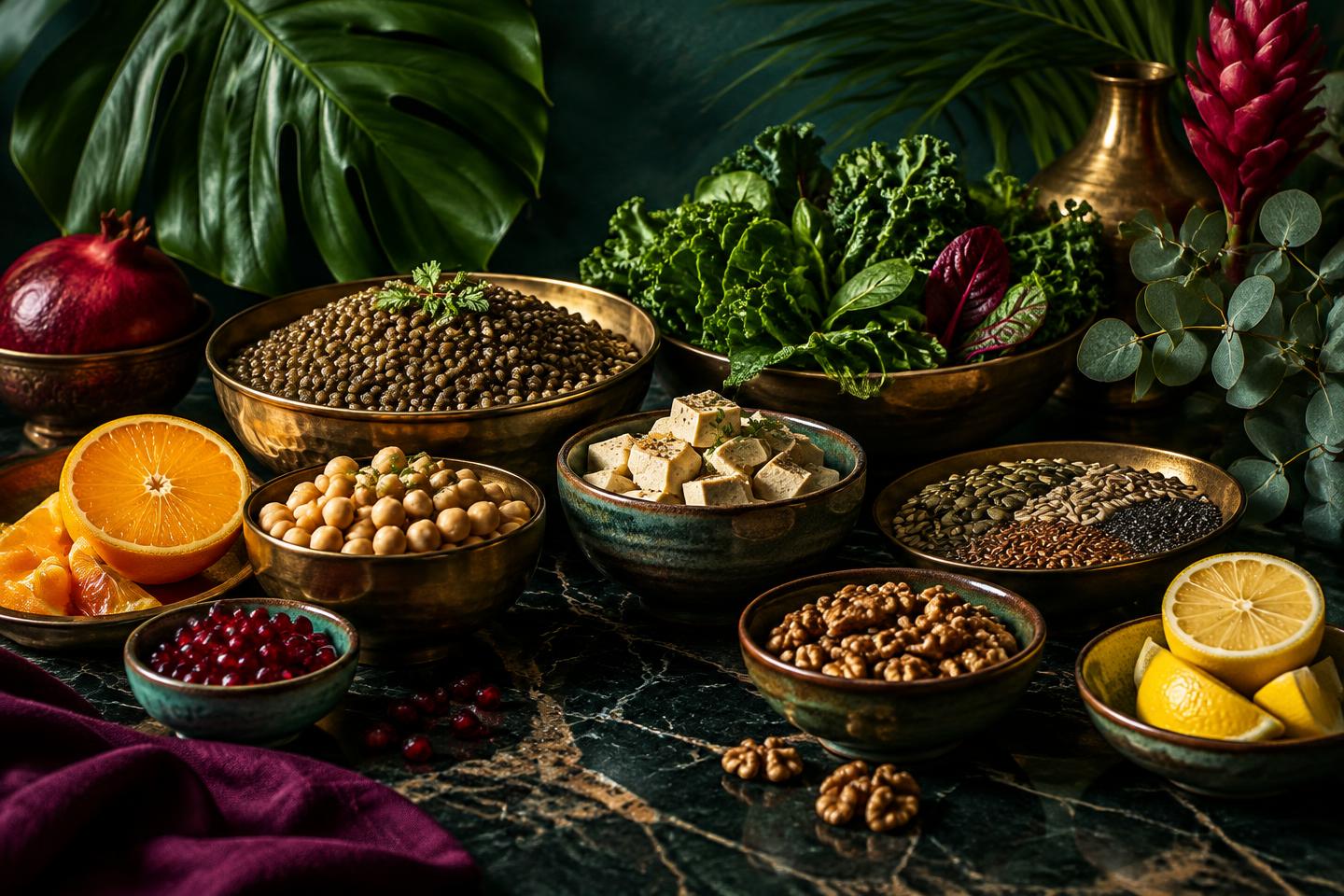
Tofu, tempeh, lentils, chickpeas, beans, edamame, seitan, and soy milk are wonderful protein sources.
A cup of cooked lentils provides approximately 18 grams of protein, while a serving of tofu can provide around 15–20 grams, depending on the variety.
Include protein-rich foods throughout your day and adjust your intake according to your individual needs and activity level.
If you're in a hurry, blend up a hemp protein smoothie.
Vitamin B12: Where Does It Really Come From?
There's a common misconception that vitamin B12 comes from animals, but it's actually produced by microorganisms, including bacteria found in soil and other natural environments. Animals don't produce B12 themselves. They obtain it through their diets, bacteria in their digestive systems, or supplements added to their feed.
B12 is essential for our nervous system, healthy red blood cells, and DNA production, so it's certainly something we need to pay attention to, whether we're vegan or not.
Thankfully, many plant-based foods are fortified with B12, including soy and oat milks, nutritional yeast, breakfast cereals, and some vegan meat alternatives. Just be sure to check the labels, as not all brands contain it.
Personally, after more than 22 years of being vegan, my B12 levels have always tested high, even though I've never taken a B12 supplement. That's simply been my experience, and I wouldn't recommend that anyone follow my example without knowing whether they're getting enough.
My advice is to make sure you have a reliable source of B12, whether that's through sufficient fortified foods or a supplement. It's an important nutrient, and with a little awareness, it's easy to make it part of a well-planned vegan lifestyle.
Iron: Supporting Energy and Vitality
Iron is essential for transporting oxygen throughout the body, and menstruating women have particularly important iron needs.
Lentils, beans, tofu, pumpkin seeds, quinoa, and fortified cereals are excellent plant-based sources.
Pairing iron-rich foods with vitamin C helps improve absorption. Think lentils with lemon juice, tofu with bell peppers, or oatmeal with fresh berries.
Calcium: Strong Bones, Strong Bodies
Calcium supports our bones, teeth, muscles, and nervous system.
Excellent vegan sources include calcium-set tofu, fortified plant milks, fortified yogurts, kale, and bok choy.
Omega-3s: Essential Healthy Fats
Ground flaxseeds, chia seeds, hemp seeds, and walnuts provide the plant-based omega-3 fatty acid ALA.
Because our bodies convert only some ALA into the longer-chain omega-3s EPA and DHA, algae-based supplements are another option worth exploring.
A Few More Nutrients to Know
Vitamin D, iodine, zinc, and selenium are also important for overall health.
A varied plant-based diet, appropriate fortified foods, and thoughtfully chosen supplements can help you meet your needs.
Your goal this week: Learn the foundations of vegan nutrition, establish a reliable B12 source, and begin building meals that provide a satisfying balance of nutrients.
Week 4: Let Compassion Extend Beyond Your Plate
By now, you've explored the delicious world of vegan food, transformed your kitchen, and learned how to nourish your temple body.
Now we're going deeper.
Veganism invites us to reconsider our relationship with animals in every area of our lives. Once we recognize their inherent worth, it becomes natural to question industries that treat sentient beings as commodities.
Fashion with Compassion
Leather, wool, silk, fur, and down are all animal-derived materials, almost always sourced in horrific ways.
When shopping for clothing, shoes, bags, and accessories, explore alternatives made from cotton, linen, hemp, recycled textiles, and innovative animal-free materials.
You don't need to replace your entire wardrobe overnight. Become more conscious of what you purchase moving forward.
Cruelty-Free and Vegan Beauty
The beauty industry has made wonderful progress in offering animal-free products, but it's important to understand the labels.
*Cruelty-free* refers to animal testing policies, while *vegan* means a product doesn't contain animal-derived ingredients.
Look for brands that meet both standards whenever possible. Luckily we now have a quick Google search to show us the true ethical standards different brands and companies follow. (Know that many claims are not regulated, especially from farms, do your own research).
Rethinking Entertainment
Our compassion can also extend to the way animals are treated in tourism and entertainment.
Rather than supporting attractions where animals are confined or exploited for human amusement, consider ethical wildlife experiences that respect their freedom and natural behaviors. There's many incredible animal sanctuaries that rely on visitors' donations to help continue saving animals from abuse, that you can choose to support, rather than a zoo that raises and cages animals for amusement, for example.
We have the extraordinary privilege of sharing this planet with countless other species. Their lives are worthy of our respect and care.
Your goal this week: Examine your everyday purchases and discover compassionate alternatives that align with your values.
Making Vegan Living Easy, Affordable, and Delicious
Eating Out
You don't have to give up dining out!
Indian, Thai, Vietnamese, Ethiopian, Mediterranean, and Mexican cuisines offer an abundance of vegan possibilities. And there's always more and more amazing vegan restaurants popping up, from plant-based fast food joints to fine dining restaurants.
Explore menus before visiting, ask about ingredients such as dairy, eggs, fish sauce, and animal-based broths, and discover vegan restaurants in your area. Remember- when you ask different businesses if they have vegan options, you're putting compassion on their radar! So don't feel awkward asking, you're contributing to a better world.
The HappyCow app is a wonderful resource for finding vegan-friendly places around the world.
Eating Vegan on a Budget
Some of the most affordable foods on earth are plant-based!
Rice, lentils, beans, oats, potatoes, seasonal produce, and frozen vegetables can form the foundation of wonderfully nourishing meals.
Specialty vegan cheeses and meat alternatives are convenient, but you certainly don't need them to enjoy an abundant plant-based diet.
Navigating Friends and Family
When you become vegan, you may discover that everyone suddenly has an opinion about your dinner!
You don't need to defend your choices at every meal. Share your knowledge when someone is genuinely curious, stay connected to your values, and remember that compassion also shapes the way we communicate.
Lead by example. And never underestimate the power of serving someone an absolutely delicious vegan meal.
My parents ate a lot of meat throughout my life, when they hit their 60's they began having health concerns, and due to witnessing me thrive on a plant-based diet for so many years, they chose to do the same. I'm so proud of them! But I also never pushed my lifestyle on them, I knew in time they would fall in love with the recipes and how great they make them feel (and the positive health benefits!)
***Heart disease is the #1 leading cause of death in America, and I find it heartbreaking that so much of this is preventable. What we eat plays an enormous role in our cardiovascular health, and diets high in red and processed meats directly contribute to heart disease, particularly through saturated fat and higher LDL cholesterol. Processed meat is also classified as carcinogenic by the WHO. To me, it's extraordinary that we continue consuming foods associated with such serious health risks when the plant kingdom offers us an abundance of nourishing alternatives that can help protect our hearts and support longevity.
Keep Exploring
You'll discover favorite recipes, new ingredients, restaurants, and little kitchen tricks that make compassionate living increasingly effortless.
If a recipe doesn't turn out as expected, try another. If a particular vegan cheese tastes dreadful, find one you actually enjoy. There are far too many delicious possibilities to settle for disappointing food!
Your 30-Day Journey Is Just the Beginning
Becoming vegan opens the door to a deeper understanding of our interconnectedness with all living beings.
Every meal, every purchase, and every conscious choice offers an opportunity to create less suffering and more love in the world.
After more than two decades of vegan living, my passion for this philosophy has only grown. I continue to discover new foods and flavors, learn more about our extraordinary planet, and find endless inspiration from the beautiful beings we share it with.
I hope these first 30 days inspire you to explore the abundance of plant-based living and discover how fulfilling it can be to align your daily choices with compassion.
And love, please remember that living compassionately doesn't mean sacrificing pleasure. There is an entire world of extraordinary flavors waiting to be savored!
May we nourish our temple bodies, delight in the pleasures of this beautiful life, and create a world where compassion extends to every living being. 🌺
Helpful Vegan Resources 🌿
Here are some of my favorite resources to make your vegan journey easier!
- HappyCow — Find vegan restaurants and cafés around the world.
- Challenge 22 — Free 22-day vegan challenge with recipes and guidance.
- NutritionFacts.org — Science-based information on plant-based nutrition and health.
- The Vegan Society — Vegan nutrition, lifestyle tips, and animal advocacy.
- Barnivore — Check whether wine, beer, and other alcoholic drinks are vegan.
- Cruelty-Free Kitty — Find cruelty-free and vegan beauty brands.
- Leaping Bunny — Discover certified cruelty-free brands.
- My Vegan Favorites — My favorite vegan foods, kitchen essentials, and Amazon finds.
- Krystal's Kitchen — My plant-based recipes and cooking inspiration.
Sources & further reading
Enjoyed reading?
Join my inner circle for new recipes, rituals and personal love letters.